Soups · 7 min read
Creamy Soups Without Heavy Cream (Four Techniques That Actually Work)
You can get the velvet texture of a restaurant cream soup using ingredients you already own — no heavy cream required.
Aisha Khan
February 23, 2025
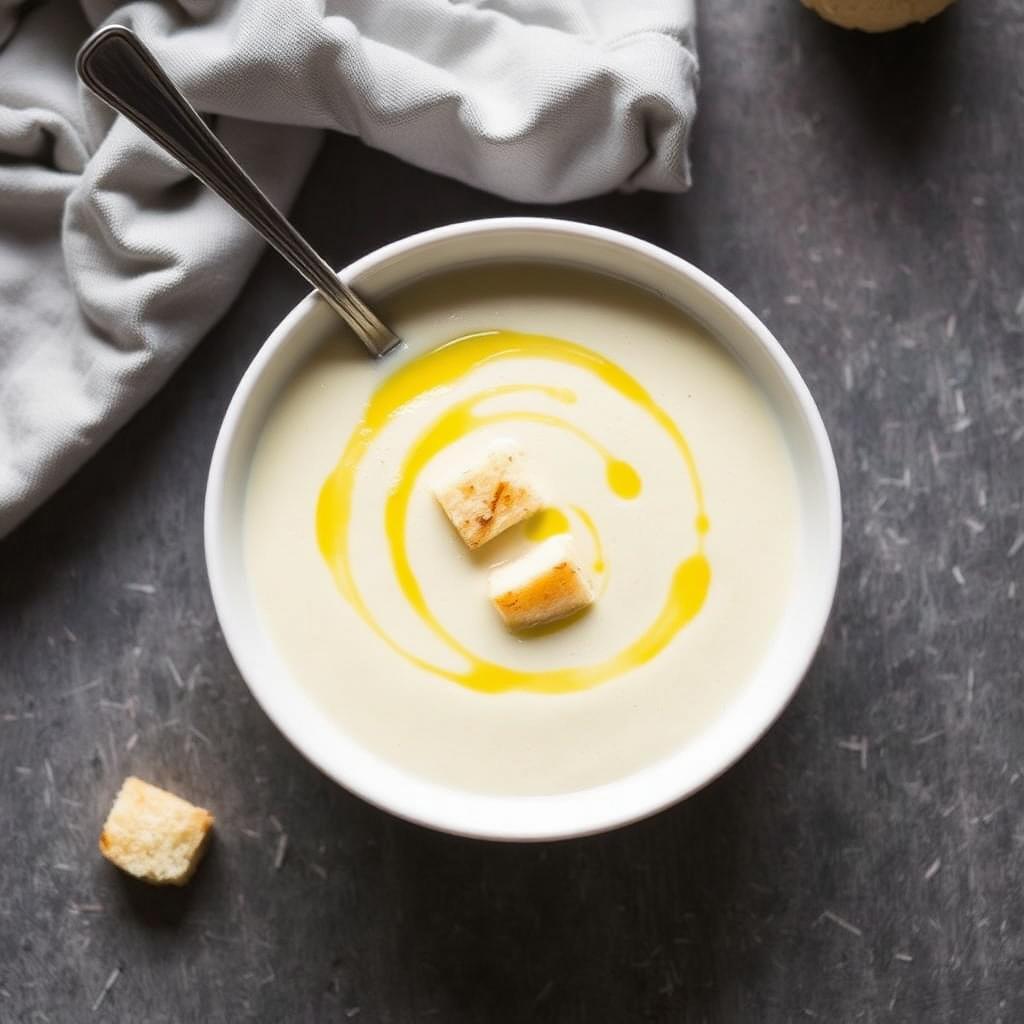
Heavy cream is the obvious way to make a soup creamy, but it is also expensive, heavy on the stomach, and rarely something I keep in the fridge. After years of experimenting, I have four techniques that produce a silky, restaurant-quality texture using ingredients most kitchens already have.
1. Blend in starchy potatoes
Adding one peeled, diced potato to almost any vegetable soup and blending it in is the oldest trick in the European cooking playbook. The starch in the potato emulsifies into the broth and creates a velvety, creamy texture without changing the flavor.
Use Russet or Yukon Gold potatoes — waxy potatoes don't break down enough. One medium potato is enough to thicken six cups of soup.
2. Use cashews or white beans
Soak half a cup of raw cashews in hot water for fifteen minutes, drain, and blend with a cup of the hot soup until completely smooth. Stir back into the pot. The result is the silkiest, most cream-like texture you can imagine, with a barely detectable nutty undertone.
If you're avoiding nuts, a can of drained white beans (cannellini or great northern) does the same job. Blended white beans add protein and fiber as a bonus.
3. Roasted vegetables are creamy on their own
Roasted butternut squash, carrots, parsnips, and cauliflower all blend into naturally creamy purees. The roasting concentrates the sugars and breaks down the cell walls, so the resulting soup needs no dairy at all to feel rich.
Roast the vegetables at 425°F until the edges are deeply caramelized — at least forty minutes. Half-roasted vegetables make a thin, watery soup.
4. Coconut milk for warm, spiced soups
Full-fat coconut milk is the dairy-free shortcut for soups with curry, ginger, or chili in them. Half a cup at the end of cooking adds a buttery, slightly sweet creaminess that complements warm spices beautifully.
Skip the light coconut milk — it is mostly water and adds almost no body. The full-fat version is worth keeping in the pantry for exactly this purpose.
How to blend safely and well
An immersion blender is the most convenient tool but cannot quite match a stand blender for silky smoothness. If you want a truly velvet soup, transfer to a blender in batches.
Always vent the lid when blending hot liquids. Hold a folded kitchen towel over the lid and start on the lowest speed to prevent the hot soup from blowing the lid off the blender.
Key takeaways
The TL;DR
- ✓A blended potato silently makes most soups creamy.
- ✓Soaked cashews or white beans = the ultimate dairy-free cream.
- ✓Roasted vegetables are creamy on their own — don't skimp on roast time.
- ✓Full-fat coconut milk is the move for spiced soups.
- ✓Vent the blender lid or you'll wear your soup.
Written by
Aisha Khan
Home cook, recipe tester, and writer behind FreshPlate Daily. Every recipe and article is developed, tested, and photographed in a real home kitchen.
More about the author →