Breakfast · 9 min read
The Complete Guide to Tall, Fluffy Pancakes (Tested Until They Worked)
Everything I learned after a year of weekend pancake testing — the science, the swaps, and the small habits that turn flat pancakes into bakery-style stacks.
Aisha Khan
February 4, 2025
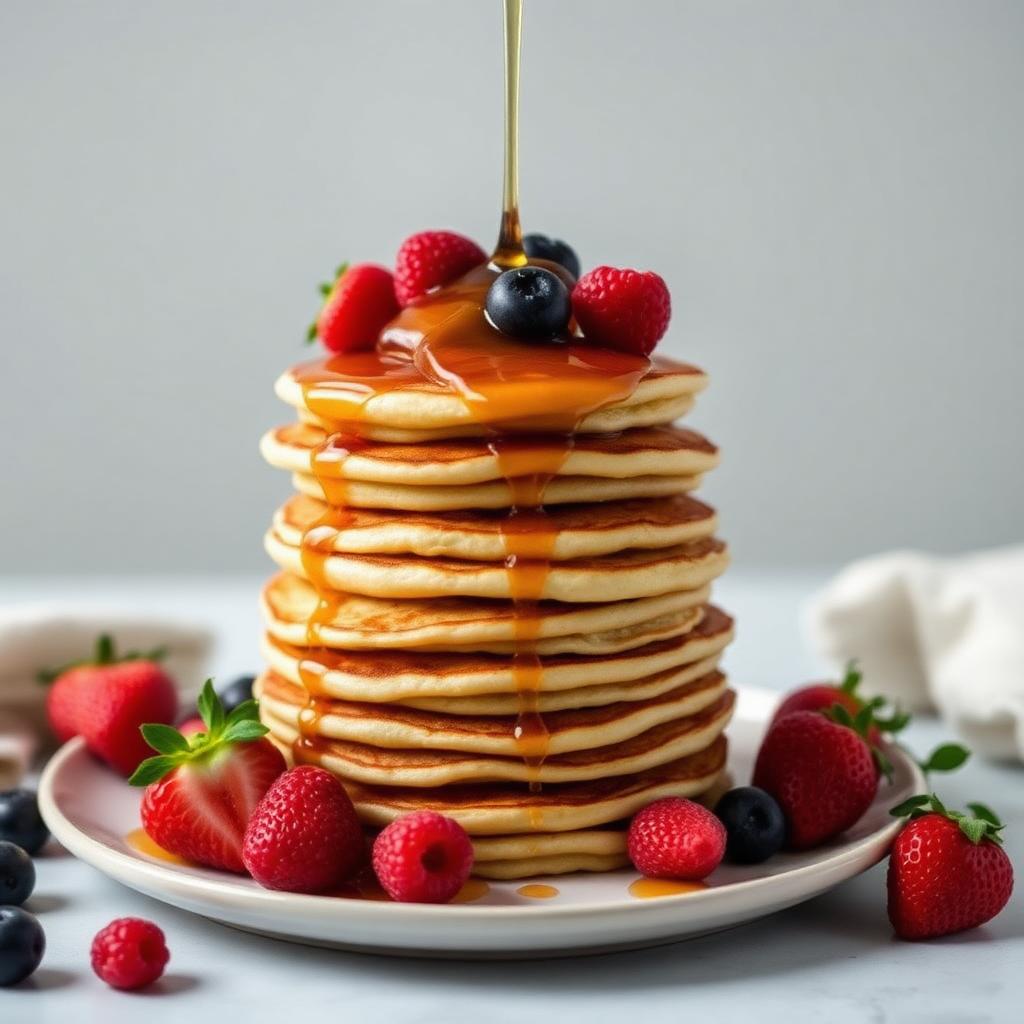
Pancakes are the recipe most home cooks think they have figured out — until they sit down to a stack that is dense, flat, and a little gummy in the middle. After spending the better part of a year cooking pancakes nearly every weekend, I have a strong opinion about why most home pancakes disappoint, and an even stronger one about how to fix them. The good news is that almost every fix is free and takes thirty seconds.
Why most home pancakes are flat
The number one reason pancakes turn out flat is overmixing. Flour develops gluten the second water touches it, and every extra stir tightens the batter into something closer to bread dough. Fluffy pancakes need a loose, lumpy batter you stop stirring before it looks finished.
The second reason is heat. Most home stoves run hot, and a pan that browns the outside in ninety seconds simply cannot give the inside time to puff. Medium-low is the right setting — it feels too cautious until you taste the result.
The two ingredients that change everything
Buttermilk is non-negotiable for true height. The acid reacts with baking soda to create extra lift and gives pancakes that faintly tangy flavor you remember from diners. If you don't keep buttermilk in the fridge, stir two tablespoons of lemon juice into two cups of milk and let it sit for five minutes — it is a very respectable substitute.
Baking powder is the second hero, and it must be fresh. A tub older than six months loses its kick. To test it, drop a spoonful into hot water — if it doesn't foam violently, replace it before you mix another batter.
The 10-minute rest you should never skip
After mixing, let the batter rest for ten minutes. Two things happen during this rest: the flour fully hydrates, which means a more tender pancake, and the leaveners begin building bubbles before the batter hits the pan. You can see the change — the surface goes from smooth to pockmarked with tiny domes.
If you are making pancakes for guests, the batter can also rest overnight in the fridge. The texture is even better the next morning, and you save fifteen minutes of standing in your pajamas.
Cook them on the right surface, at the right temperature
A heavy nonstick skillet or a flat cast-iron griddle gives the most even heat. Avoid thin nonstick pans — they have hot spots that brown one side of a pancake while the other stays pale.
Set the burner to medium-low and let the pan preheat for a full three minutes before the first scoop. Drop a few drops of water on the surface — they should skitter, not evaporate instantly. That is your green light.
Add-ins without ruining the batter
Fold gentle add-ins like blueberries or chocolate chips onto the pancake after you pour the batter into the pan — not into the bowl. This keeps the batter clean and the add-ins from sinking, breaking, or bleeding color.
Frozen berries go on frozen. Thawed berries turn the batter purple and release water that prevents browning.
Keep them warm without going rubbery
Hold finished pancakes in a 90°C / 200°F oven directly on the rack — not stacked on a plate. Stacking traps steam, which turns the bottom pancake into a sponge by the time the last one is cooked.
Serve with real maple syrup warmed in a small saucepan, a knob of cold butter, and a small pinch of flaky salt across the top. The salt sounds odd until you taste it.
Key takeaways
The TL;DR
- ✓Lumpy batter is the goal — stop stirring before it looks done.
- ✓Real buttermilk plus fresh baking powder is most of the magic.
- ✓Rest the batter 10 minutes, cook on medium-low, never stack.
- ✓Add berries after pouring, not into the bowl.
- ✓Hold warm on a rack in a low oven, not on a plate.
Written by
Aisha Khan
Home cook, recipe tester, and writer behind FreshPlate Daily. Every recipe and article is developed, tested, and photographed in a real home kitchen.
More about the author →