Breakfast · 6 min read
The Scrambled Eggs Most Home Cooks Get Wrong
Three small habits — heat, fat, and timing — turn rubbery scrambled eggs into the soft, custardy version restaurants charge fifteen dollars for.
Aisha Khan
February 10, 2025
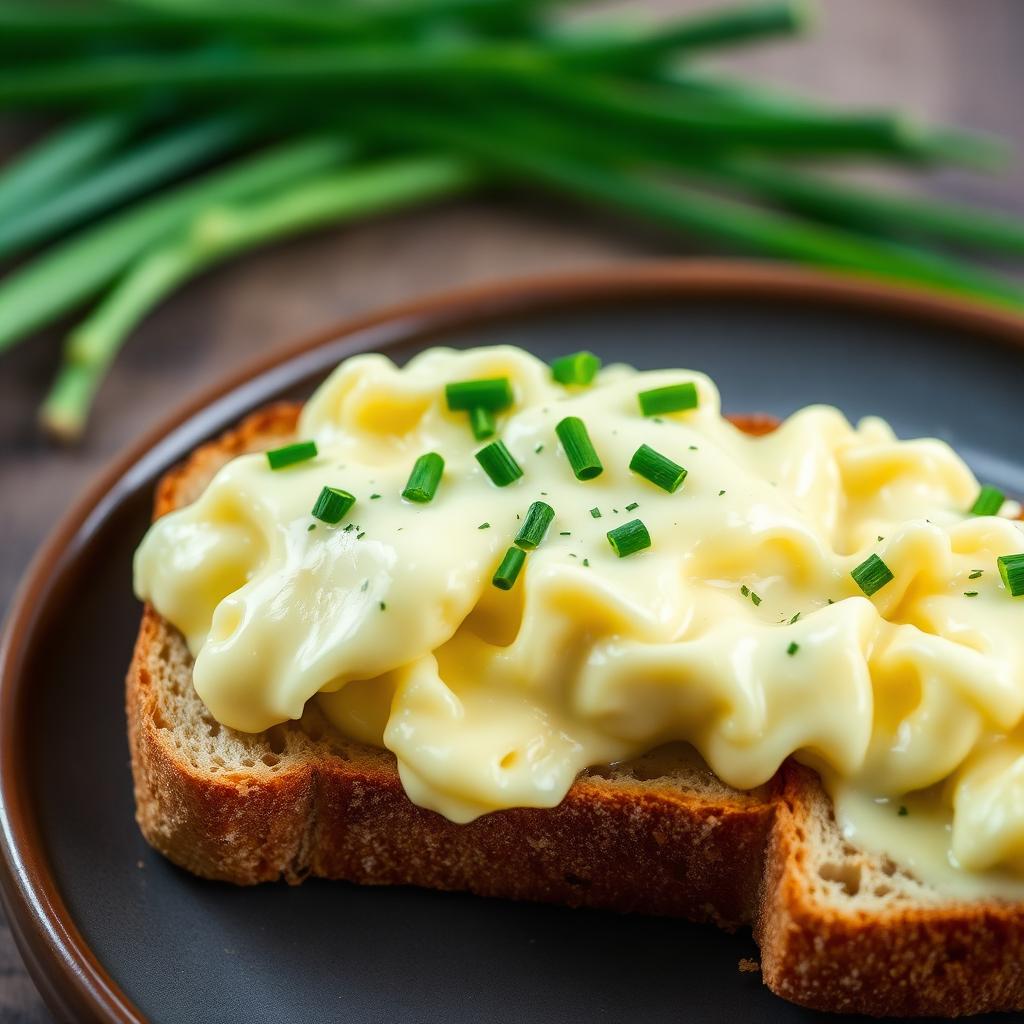
Scrambled eggs are the dish I cook most often and the one I see go wrong most often in other people's kitchens. The difference between a rubbery, weeping plate of yellow and the soft, custardy curds you remember from a good brunch is almost never the eggs themselves. It is heat, fat, and timing — three things you control entirely.
Use lower heat than you think
Most home cooks scramble eggs on medium-high heat because it feels fast. It is fast, but the eggs go from liquid to overcooked in about twelve seconds, with no soft middle stage. Medium-low is the right setting, even though it takes nearly four minutes.
If you watch a good restaurant cook scramble eggs, they are constantly moving the pan on and off the heat. You can mimic this at home by sliding the pan off the burner for ten seconds whenever the eggs start setting too fast.
Butter, not oil — and more than you think
Use one tablespoon of butter per two eggs. It sounds like a lot, but butter both lubricates the curds and adds the rich flavor that makes scrambled eggs feel like a meal instead of a protein delivery vehicle.
Melt the butter completely before the eggs go in. If you can hear it sizzling, the pan is too hot — pull it off the heat for thirty seconds before adding the eggs.
Beat the eggs properly
Crack the eggs into a bowl, add a small pinch of salt, and whisk with a fork until the yolks and whites are completely combined — no streaks of yellow or white. This usually takes about thirty seconds of vigorous whisking.
Salting before cooking (rather than after) actually changes the texture for the better — it relaxes the proteins so the curds stay tender.
The fold-and-pause technique
Pour the eggs into the pan and wait ten seconds. Then, using a soft silicone spatula, gently push the eggs from one side of the pan to the other. Pause. Push again. The goal is large, soft folds — not constant stirring.
Pull the pan off the heat when the eggs still look slightly wet on top. They will keep cooking in the pan for another twenty seconds and arrive on the plate perfectly set.
Finishing touches
Off heat, stir in a small knob of cold butter or a tablespoon of crème fraîche. This stops the cooking instantly and adds a glossy richness no amount of cream in the raw eggs can replicate.
Serve on warm plates, not cold ones. A cold plate will bring scrambled eggs from perfect to overcooked in under a minute.
Key takeaways
The TL;DR
- ✓Medium-low heat, always — even though it feels slow.
- ✓1 tbsp butter per 2 eggs is the right amount of fat.
- ✓Whisk eggs with salt until completely uniform.
- ✓Fold and pause; do not constantly stir.
- ✓Pull off heat while still slightly wet and add a knob of cold butter.
Written by
Aisha Khan
Home cook, recipe tester, and writer behind FreshPlate Daily. Every recipe and article is developed, tested, and photographed in a real home kitchen.
More about the author →