Bakes · 8 min read
Weekend Pastry Basics: The Three Doughs Worth Learning
Pie dough, shortcrust, and rough puff pastry — once you've made each one a couple of times, half of the pastry case at any bakery becomes something you can replicate at home.
Aisha Khan
April 12, 2025
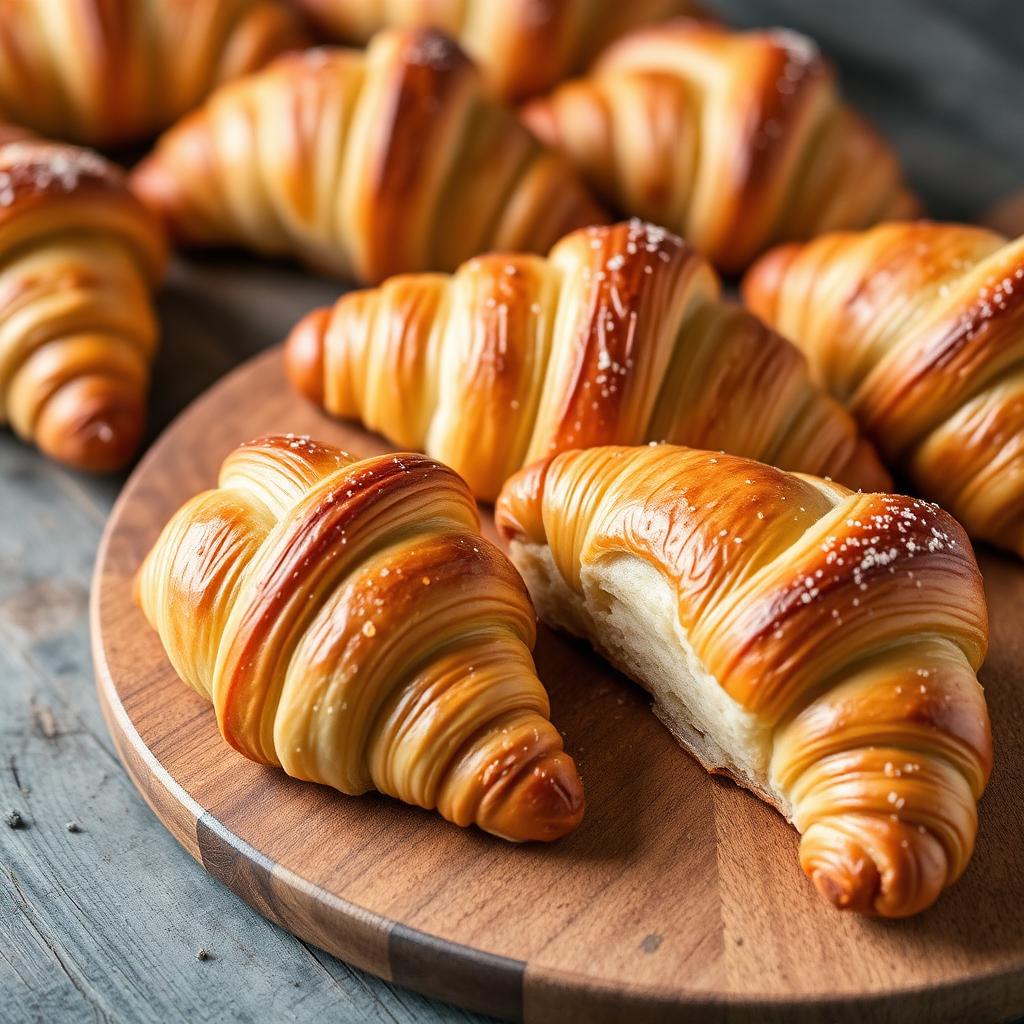
Pastry has a reputation for being technical, which is half deserved. The basics — pie dough, shortcrust, and rough puff — are not actually hard, they just reward following a few specific rules. Once you've made each one a handful of times, you'll have access to most of the pastry case at any bakery from your own kitchen.
1. All-butter pie dough
Two and a half cups of flour, one teaspoon salt, two sticks (225 g) cold butter cut into cubes, six to eight tablespoons ice water. Cut the butter into the flour until you have a mix of pea-sized and crumb-sized pieces, then add water tablespoon by tablespoon until the dough just comes together.
The pea-sized butter pieces are what create flakiness — they melt into pockets of steam during baking. Don't overwork the dough or you'll lose them.
Rolling and chilling pie dough
Chill the dough for at least an hour before rolling. Cold dough rolls cleanly; warm dough tears and shrinks back. If the dough cracks at the edges as you roll, it's too cold — let it warm up for ten minutes.
Roll from the center outward, rotating the dough a quarter turn after every roll. This keeps the shape even and prevents the dough from sticking to one spot.
2. Shortcrust (sweet tart dough)
One and a half cups flour, half cup powdered sugar, pinch of salt, one stick (115 g) cold butter, one egg yolk, two tablespoons cold water. This is the dough for tarts — sweet, crisp, and sturdy enough to hold custard, fruit, or chocolate ganache.
Press it directly into the tart pan instead of rolling it out — it's much more forgiving that way. Patch any tears with extra dough.
3. Rough puff pastry
Two cups flour, half teaspoon salt, two sticks (225 g) very cold butter cut into half-inch cubes, two thirds cup cold water. Mix briefly, then perform a series of folds (turn, fold in thirds, turn, fold again) over the course of about an hour with chilling in between.
It is not real puff pastry, but it is shockingly close — the layers of butter create dozens of flaky layers when baked.
Universal pastry rules
Cold ingredients, cold tools, cold hands. The faster you can work without the butter melting, the better your pastry will be.
Don't skip the chill. Every chilling step exists for a reason — usually to firm up butter or relax gluten. Rushing always produces a tougher, shrunken result.
Key takeaways
The TL;DR
- ✓Pie dough: pea-sized butter pieces = flakiness.
- ✓Shortcrust: press into the pan; don't bother rolling.
- ✓Rough puff is shockingly close to real puff with half the work.
- ✓Cold, cold, cold — ingredients, tools, hands.
- ✓Never skip a chilling step.
Written by
Aisha Khan
Home cook, recipe tester, and writer behind FreshPlate Daily. Every recipe and article is developed, tested, and photographed in a real home kitchen.
More about the author →