Desserts · 9 min read
The Science Behind the Perfect Chocolate Chip Cookie
Thin and crispy? Thick and gooey? Cakey? Every cookie texture is the result of specific choices — here is what each one means.
Aisha Khan
March 28, 2025
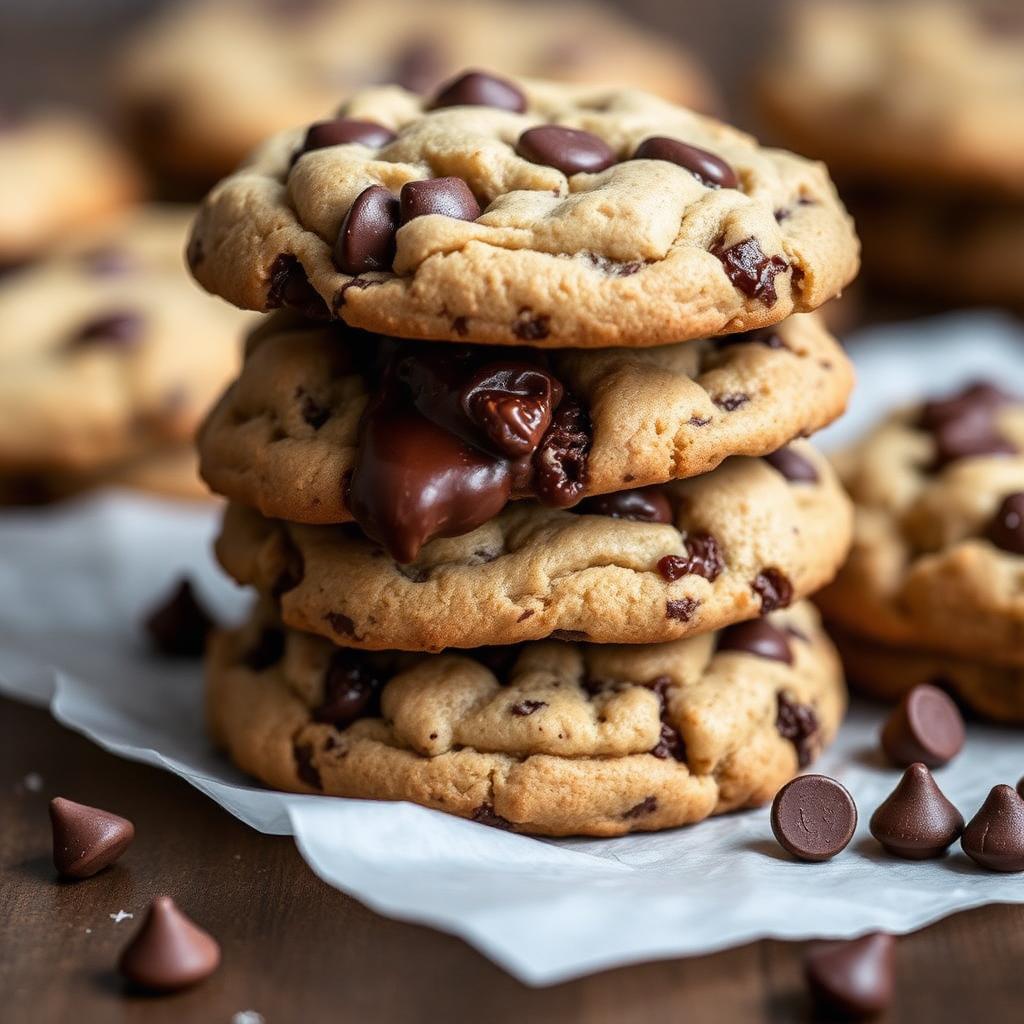
If you have ever made the exact same cookie recipe twice and gotten two completely different results, you are not imagining things. Cookies are one of the most variable bakes in the home kitchen — small changes in ingredients, technique, and even kitchen temperature dramatically change the final texture. Here is what is actually happening.
Butter: cold, room temp, or melted
Cold butter creamed with sugar produces a thick, slightly cakey cookie because the cold butter holds its structure during baking. Room temperature butter creamed with sugar is the standard — produces a balanced cookie. Melted butter produces a thin, chewy cookie because it cannot trap air.
If you want thick cookies, start with cold butter and don't over-cream. If you want thin and chewy, melt the butter and skip the mixer entirely.
Sugar: brown vs. white
Brown sugar contains molasses, which is hygroscopic — it attracts moisture. Cookies with more brown sugar are chewier and softer. Cookies with more white sugar are crispier and spread more.
A 2:1 ratio of brown to white sugar gives a balanced chewy-with-crisp-edges cookie. Pure brown is the chewiest; pure white is crispiest.
Flour: all-purpose vs. bread flour
Bread flour has more protein, which develops more gluten and creates a chewier, taller cookie. A mix of bread flour and all-purpose is the bakery secret for cookies that have structure without being tough.
Pure cake flour produces a delicate, almost shortbread-like cookie. Most home recipes default to all-purpose, which is the safe middle ground.
Eggs and yolks
Whole eggs add structure and rise. Extra yolks add richness and chewiness without adding height. Many bakery-style recipes use one whole egg plus one extra yolk for this reason.
Cold eggs help the butter firm up just enough to prevent over-spreading.
Chilling the dough is non-negotiable
Chilling the dough for at least an hour — ideally overnight — produces noticeably better cookies. The fat firms up, so cookies don't spread as much. The flour hydrates fully, which improves texture. And the dough develops more complex flavor as enzymes break down sugars.
Cookies made from 72-hour chilled dough taste markedly more caramelized and complex than cookies made from fresh dough.
Baking temperature
Higher temperatures (200°C / 400°F) produce cookies with crisp edges and gooey centers. Lower temperatures (175°C / 350°F) produce more evenly baked cookies that are softer throughout.
Underbake slightly. Pull cookies when the centers still look soft — they continue cooking on the hot pan for several minutes.
Key takeaways
The TL;DR
- ✓Cold butter = thick. Melted butter = thin and chewy.
- ✓More brown sugar = chewier. More white = crispier.
- ✓Bread flour in the mix = bakery-style chew.
- ✓Extra yolk for richness and chew.
- ✓Chill the dough overnight; bake at 400°F; pull underbaked.
Written by
Aisha Khan
Home cook, recipe tester, and writer behind FreshPlate Daily. Every recipe and article is developed, tested, and photographed in a real home kitchen.
More about the author →