Desserts · 9 min read
Layer Cake Mastery: The Five Things That Separate Home Cakes From Bakery Cakes
Bakery cakes feel different — taller, more even, more tender. Here are the five techniques that close the gap in your home kitchen.
Aisha Khan
March 31, 2025
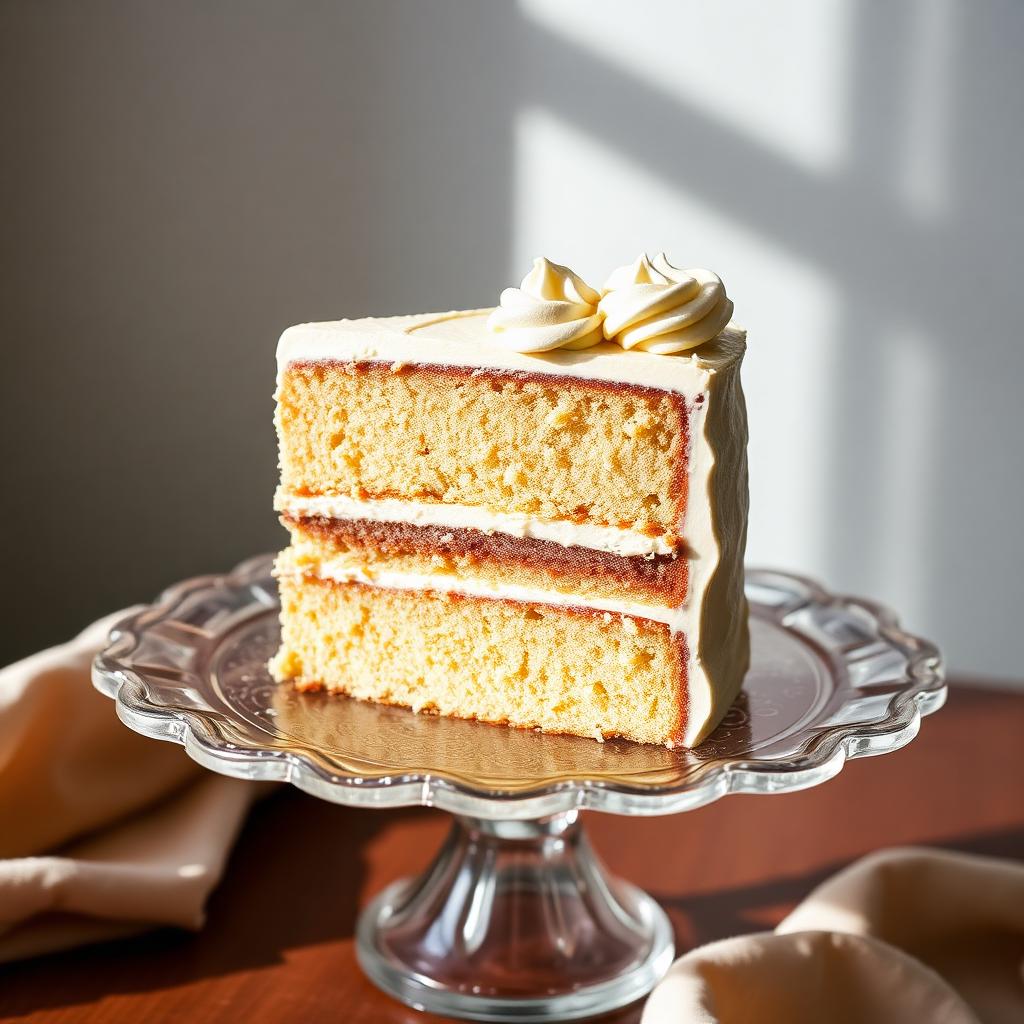
The first time I successfully made a layer cake that looked like it came from a real bakery, I was honestly surprised. The difference between home cakes and bakery cakes isn't talent — it is a handful of specific techniques that home recipes almost never mention. Here are the five that made the biggest difference for me.
1. Use cake strips on the pans
Cake strips are wet fabric strips that wrap around the outside of the cake pan. They insulate the edges, which slows down the cooking on the outside so the inside catches up. The result is a perfectly flat-topped cake — no dome, no cracking.
You can buy reusable cake strips for a few dollars, or improvise with wet kitchen towel and aluminum foil.
2. Weigh your flour
A cup of flour can vary by thirty grams between cooks, depending on how the flour is scooped. Thirty grams is the difference between a tender cake and a dry one.
A kitchen scale costs less than two store-bought cakes and will improve every baked good you ever make. 125 g of all-purpose flour is one cup.
3. The reverse creaming method
Traditional cake recipes cream butter and sugar first, then add eggs, then flour. Reverse creaming combines flour, sugar, and leavening first, then adds butter, then liquid. The result is a much more tender, fine-crumbed cake with almost no risk of over-mixing.
It is the technique many bakery cakes use, and it is not even harder than the traditional method.
4. Soak the layers
After baking and cooling, brush each cake layer with a simple syrup (equal parts sugar and water, dissolved). This step is the single biggest reason bakery cakes taste so moist and decadent.
Flavor the syrup with vanilla, almond extract, citrus zest, or a splash of liquor to match the cake. Two tablespoons of syrup per layer is plenty.
5. Chill between every step
Cake layers should be fully cool before frosting. Frosted cakes should chill for at least thirty minutes before the final coat of frosting. This is how you get the crisp, clean edges you see in bakery cakes.
If your kitchen is warm, refrigerating between steps is the difference between a tidy cake and a structural disaster.
Key takeaways
The TL;DR
- ✓Cake strips give you flat tops, every time.
- ✓Weigh your flour — 125 g per cup, no exceptions.
- ✓Try reverse creaming for the most tender crumb.
- ✓Brush each layer with simple syrup before frosting.
- ✓Chill between every step for clean edges.
Written by
Aisha Khan
Home cook, recipe tester, and writer behind FreshPlate Daily. Every recipe and article is developed, tested, and photographed in a real home kitchen.
More about the author →