Dinner · 10 min read
The Five Mother Sauces Every Home Cook Should Know for Pasta
Tomato, cream, oil, butter, and emulsion — once you can make all five, you can build hundreds of pasta dinners without ever opening a jar.
Aisha Khan
February 15, 2025
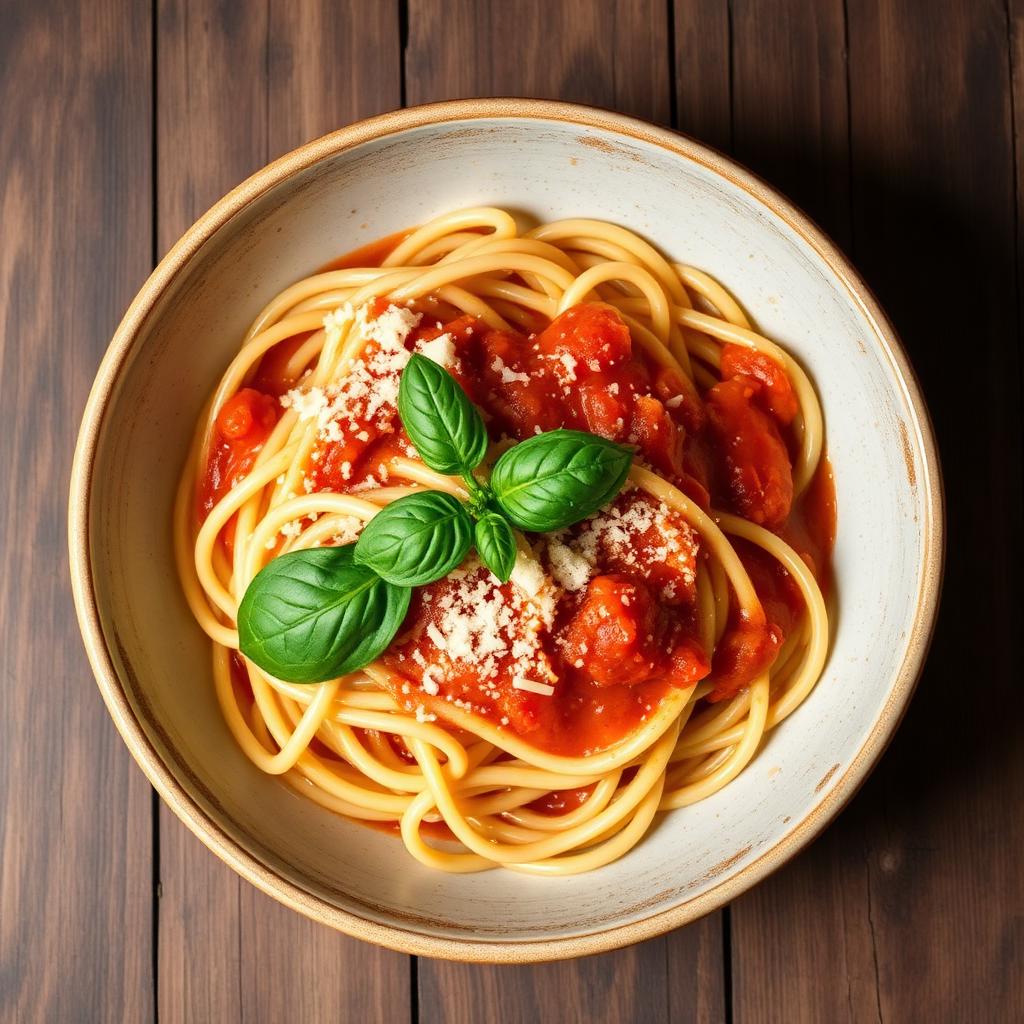
Italian home cooks rarely follow pasta recipes. They follow techniques. There are about five base sauces — sometimes called the mother sauces of pasta — and once you understand how each one is built, you can riff endlessly. A jar of marinara solves one dinner; knowing how a real tomato sauce comes together solves the rest of your cooking life.
1. Tomato (Pomodoro)
The simplest and the most often ruined. Heat olive oil with a smashed clove of garlic, add a can of good whole peeled tomatoes (crush them with your hands), a generous pinch of salt, and simmer for twenty-five minutes. Finish with torn basil and a knob of butter.
The two mistakes home cooks make: undercooking it (a thin, watery sauce that tastes like raw tomato), or browning the garlic (a bitter sauce that no amount of basil rescues). Garlic should sizzle gently, never color.
2. Cream (Alfredo, Carbonara)
Real Alfredo is butter, parmesan, and pasta water — no cream involved. The illusion of cream comes from emulsifying the starchy pasta water into the cheese and butter. American-style cream sauces use heavy cream as a shortcut, which works but feels heavier.
Carbonara is its own beast: eggs, pecorino, guanciale, and black pepper. The eggs cook off the heat from the residual warmth of the pasta. If your pan is on the burner when you add them, you have made breakfast — not dinner.
3. Oil (Aglio e Olio)
Olive oil, garlic, chili flakes, parsley, and pasta water. That is the entire ingredient list and it is one of the great dinners of all time when made carefully. The trick is heating the garlic slowly enough that it perfumes the oil without ever browning.
When you toss the pasta in the oil, add a quarter cup of pasta water and shake the pan aggressively. The starch in the water emulsifies with the oil into a glossy sauce that clings to every strand.
4. Butter (Cacio e Pepe, Burro e Salvia)
Butter sauces are the most underrated category. Cacio e pepe — pecorino, butter, black pepper, pasta water — has only four ingredients but takes practice to get right because the cheese has a tendency to clump.
The fix is to keep the pan completely off the heat when you add the cheese, and to toss with a wooden spoon, not a metal whisk. Burro e salvia — brown butter and crispy sage — is even simpler and tastes like a restaurant dish.
5. Emulsion (Pesto and friends)
Pesto, salsa verde, and nut-based sauces are emulsions of oil with herbs, cheese, garlic, and a fat (nuts or breadcrumbs). They are not cooked — they are stirred into hot pasta off the heat so the oil emulsifies with the starch.
Traditional pesto is made with a mortar and pestle, but a food processor works fine if you pulse rather than blitz. Over-processing heats the basil and turns it brown.
How to remix endlessly
Tomato + cream = vodka sauce. Tomato + chili + garlic = arrabbiata. Cream + lemon zest + capers = a beautiful sauce for shrimp pasta. Oil + anchovy + olives + capers = puttanesca. Butter + sage + squash = autumn pasta.
Master the five and recipes become suggestions instead of instructions.
Key takeaways
The TL;DR
- ✓Tomato: simmer 25 min, never brown the garlic.
- ✓Cream: pasta water + cheese does the work in real Alfredo.
- ✓Oil: slow heat the garlic, emulsify with starchy water.
- ✓Butter: cheese sauces always off heat, never with metal.
- ✓Emulsion: stir into hot pasta, never apply heat to fresh pesto.
Written by
Aisha Khan
Home cook, recipe tester, and writer behind FreshPlate Daily. Every recipe and article is developed, tested, and photographed in a real home kitchen.
More about the author →