Salads · 7 min read
How to Build a Salad That Actually Fills You Up
Salads can be a real meal, not a sad side dish. The formula is grain, protein, vegetables, fat, and crunch — every single time.
Aisha Khan
March 4, 2025
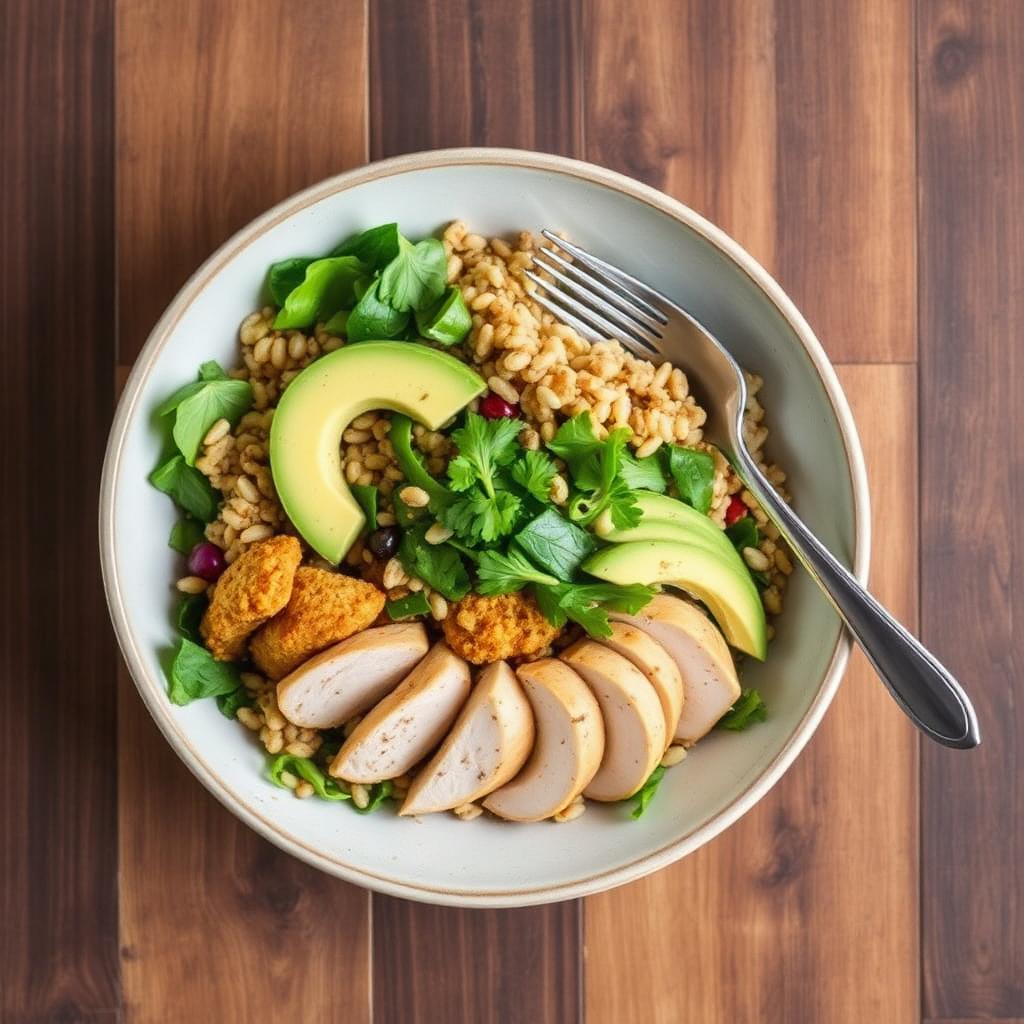
There is a version of the salad I find depressing — a pile of leaves with three cherry tomatoes and a dribble of dressing. There is also a version I genuinely look forward to: substantial, layered, and satisfying enough that I am not eyeing the cookies thirty minutes later. The second kind always follows the same formula.
The meal-salad formula
Five components in every meal-sized salad: a base (greens or grains), a protein, two to three vegetables, a fat, and a crunch. Skip any one of them and the salad feels incomplete.
The trick is making sure each component is actually substantial — not a token gesture. Half a chicken breast, not three slices. A handful of nuts, not a sprinkle. A real cup of quinoa, not a tablespoon for decoration.
Build a base that holds up
Sturdy greens are the difference between a salad that survives the lunch hour and one that wilts into mush. Kale, romaine, baby spinach, cabbage, and arugula all hold up well; soft butter lettuce and mâche do not.
If using kale, massage it for thirty seconds with a pinch of salt and a drizzle of oil before adding anything else. The leaves soften and lose their tough, raw bite.
Add a real grain
Half a cup of cooked quinoa, farro, brown rice, or pearl couscous adds enough carbohydrate that the salad feels like dinner instead of an appetizer. Cook a big batch on the weekend and you have grain ready for five lunches.
Toss the warm grain with a spoonful of the dressing before adding it to the salad. The grain absorbs the flavor and the rest of the bowl tastes better.
Pick a protein and don't be shy
Plan on 100 to 150 g of protein per person — roasted chicken, hard-boiled eggs, canned tuna, smoked salmon, chickpeas, white beans, or grilled tofu.
Two proteins together is the move for the most satisfying salads. Chickpeas and feta. Tuna and white beans. Hard-boiled eggs and crispy bacon. The combination is what makes the bowl feel finished.
Vegetables for color and crunch
Aim for at least three different vegetables, and try to make at least one of them roasted. Roasted sweet potato, roasted broccoli, or roasted beets all bring warmth and sweetness that raw vegetables cannot.
Then add two raw vegetables for crunch — shredded carrot, cucumber, radish, bell pepper, or thinly sliced red onion.
Don't forget fat and finish with crunch
Avocado, cheese, olives, or a generous dressing supplies the fat that makes the salad satisfying. Without it, even a salad with chicken and quinoa will leave you hungry within an hour.
Finish with something crunchy on top — toasted nuts, seeds, croutons, crispy chickpeas, or crispy shallots. Crunch is the textural element that turns a salad into a real meal.
Key takeaways
The TL;DR
- ✓Five parts: base + grain + protein + veg + fat + crunch.
- ✓Massage kale; toss warm grains in dressing first.
- ✓Two proteins together = the most satisfying salads.
- ✓At least one roasted vegetable for warmth and depth.
- ✓Crunch on top is non-negotiable.
Written by
Aisha Khan
Home cook, recipe tester, and writer behind FreshPlate Daily. Every recipe and article is developed, tested, and photographed in a real home kitchen.
More about the author →