Salads · 8 min read
A Seasonal Salad Playbook (What to Make When)
Every season has a salad that absolutely sings — and a few that taste like winter tomatoes in July. Here is what to actually cook each month.
Aisha Khan
March 7, 2025
Eating seasonally is not a moral position — it is a flavor strategy. A tomato salad in August is one of the best things you can eat; the same salad in February is almost insulting. Here is a month-by-month playbook of salads that actually taste like the season they're in.
Spring (March-May): green and tender
Asparagus, peas, radishes, baby lettuces, and the first soft herbs are the stars. A salad of shaved raw asparagus, peas, mint, lemon zest, and crumbled feta is one of the best things to eat in April.
Dressings should be light and lemony. Save the heavy creamy dressings for cabbage season.
Summer (June-August): tomatoes, stone fruit, corn
Tomato season is too short to waste on anything complicated. Sliced ripe tomatoes, flaky salt, olive oil, basil, and a piece of bread to mop up the juice is a complete summer lunch.
Build other summer salads around peaches, nectarines, watermelon, corn, and cucumber. A peach-and-burrata salad with prosciutto and basil is restaurant-worthy and takes five minutes.
Fall (September-November): roasted everything
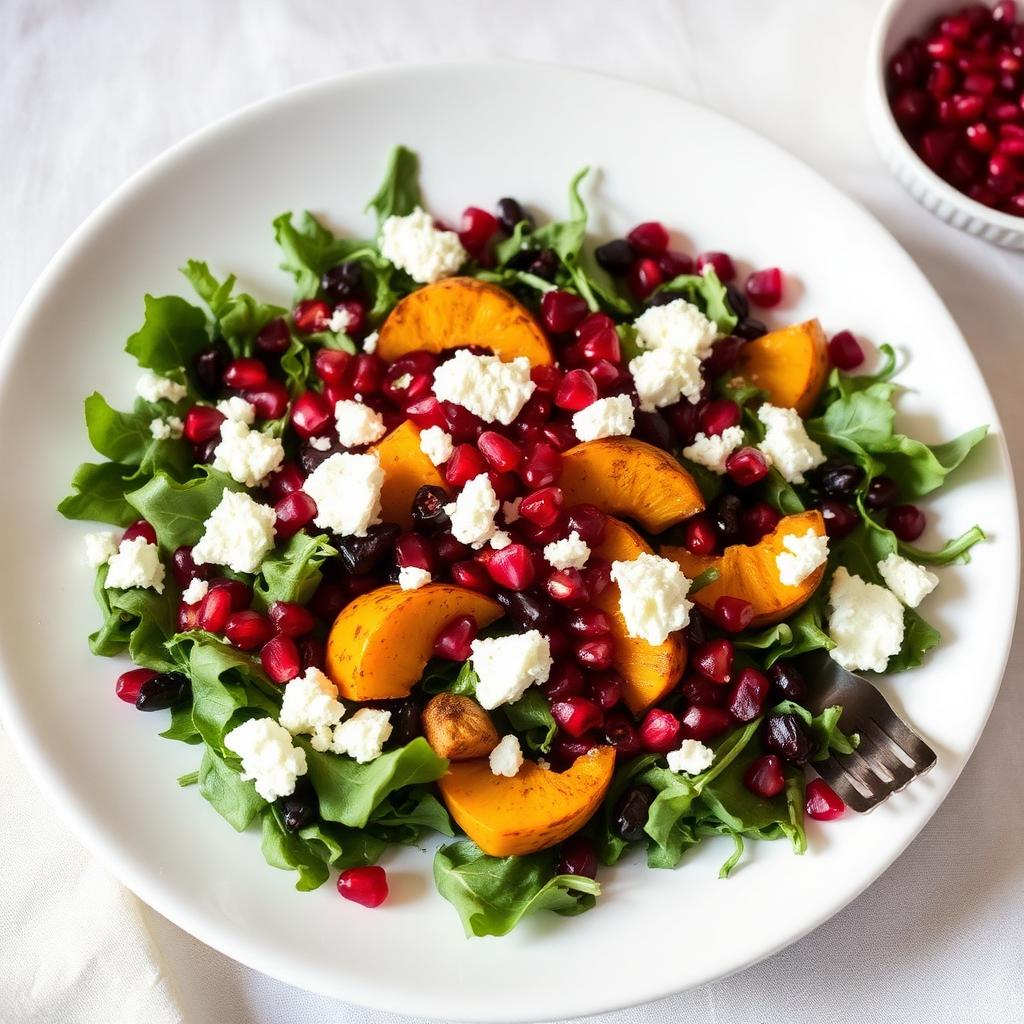
When the weather turns, salads turn warm. Roasted butternut squash, roasted sweet potato, roasted beets, and warm farro all belong in fall salads.
Pair with sturdy greens like kale or arugula, a sharp cheese like blue or goat cheese, and a sweet-tart dressing with maple or apple cider vinegar.
Winter (December-February): cabbage, citrus, bitter greens
Winter is the season people think they cannot make good salads, which is wrong. Cabbage, fennel, kale, radicchio, and chicories are all at their best when it is cold out.
A shaved fennel and citrus salad with olives and parmesan is genuinely one of the best salads of the year, and it is on the table from December through March.
What to buy frozen, what to skip
Frozen peas, frozen corn, and frozen berries are all excellent off-season — they are picked and frozen at peak ripeness. Use them freely.
Out-of-season tomatoes, strawberries, and stone fruit are almost always disappointing. If you cannot wait, look for cherry tomatoes specifically — they tend to ripen better in greenhouses than larger varieties.
Key takeaways
The TL;DR
- ✓Spring: asparagus, peas, light lemon dressings.
- ✓Summer: tomatoes and stone fruit — keep it simple.
- ✓Fall: warm roasted vegetables on sturdy greens.
- ✓Winter: cabbage, fennel, citrus, and chicories.
- ✓Frozen peas and berries are great off-season; tomatoes are not.
Written by
Aisha Khan
Home cook, recipe tester, and writer behind FreshPlate Daily. Every recipe and article is developed, tested, and photographed in a real home kitchen.
More about the author →